Why I Moved My Blog from WordPress to Ghost
After years of using WordPress, I moved my blog to Ghost to simplify publishing, reduce plugin fatigue, and focus on writing. Here’s why the switch made sense.

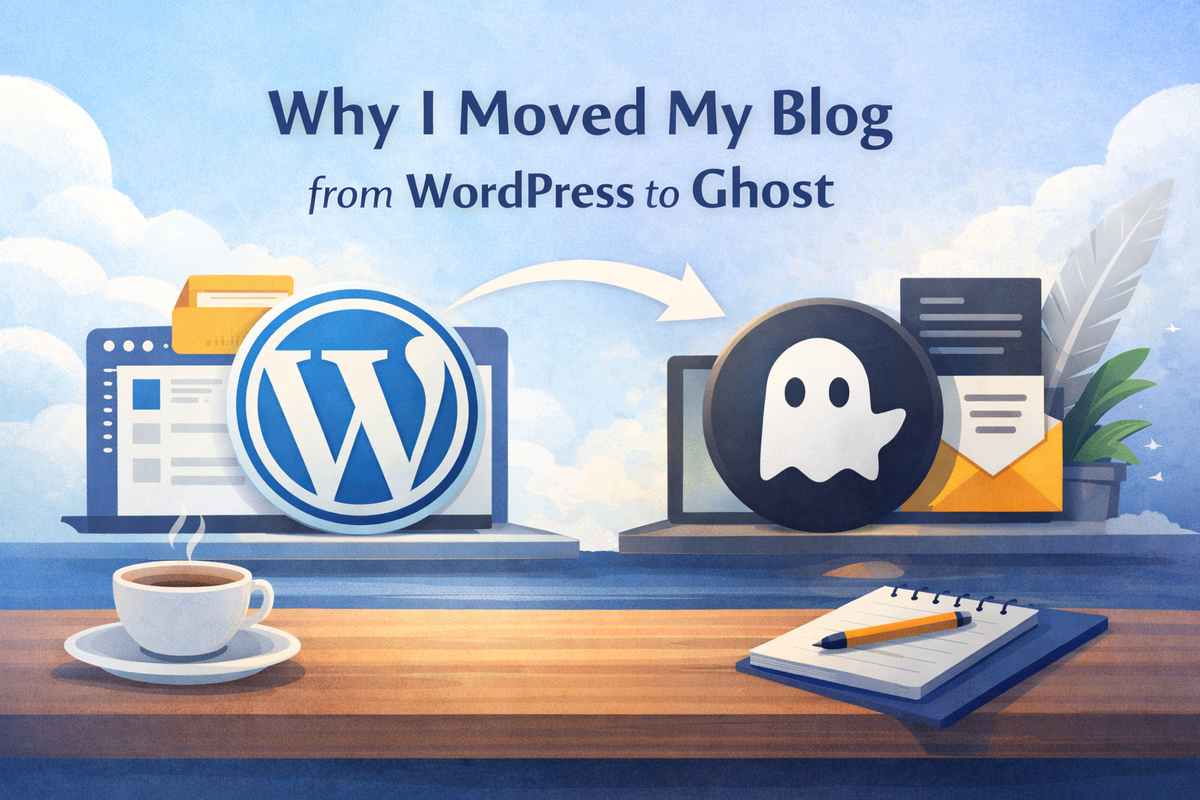
I used WordPress for years and, for a long time, it did exactly what I needed. It’s flexible, widely supported, and powerful enough to build almost anything. But over time, maintaining my blog began to feel more like managing a small software project than writing.
Eventually, I realised I was spending more time configuring themes, plugins, and settings than actually publishing content. That’s when I decided to move my blog from WordPress to Ghost.
This post explains why.
WordPress worked — until it didn’t
There’s no question that WordPress is capable. If you want to build a complex website, an online store, or something heavily customised, it’s still one of the best options available.
But my needs had changed. I wasn’t building client sites or feature-heavy pages — I was writing regularly and wanted a clean, reliable place to publish.
Over time, a few recurring issues became hard to ignore.
Theme complexity crept in
Finding a WordPress theme that looks good and stays simple is harder than it should be. Many modern themes promise flexibility but rely heavily on bundled plugins, page builders, and layered configuration panels.
Simple changes often meant:
- Installing another plugin
- Learning a proprietary theme interface
- Accepting features I didn’t need
What started as a straightforward blog slowly became more complicated than necessary.
Plugin fatigue is real
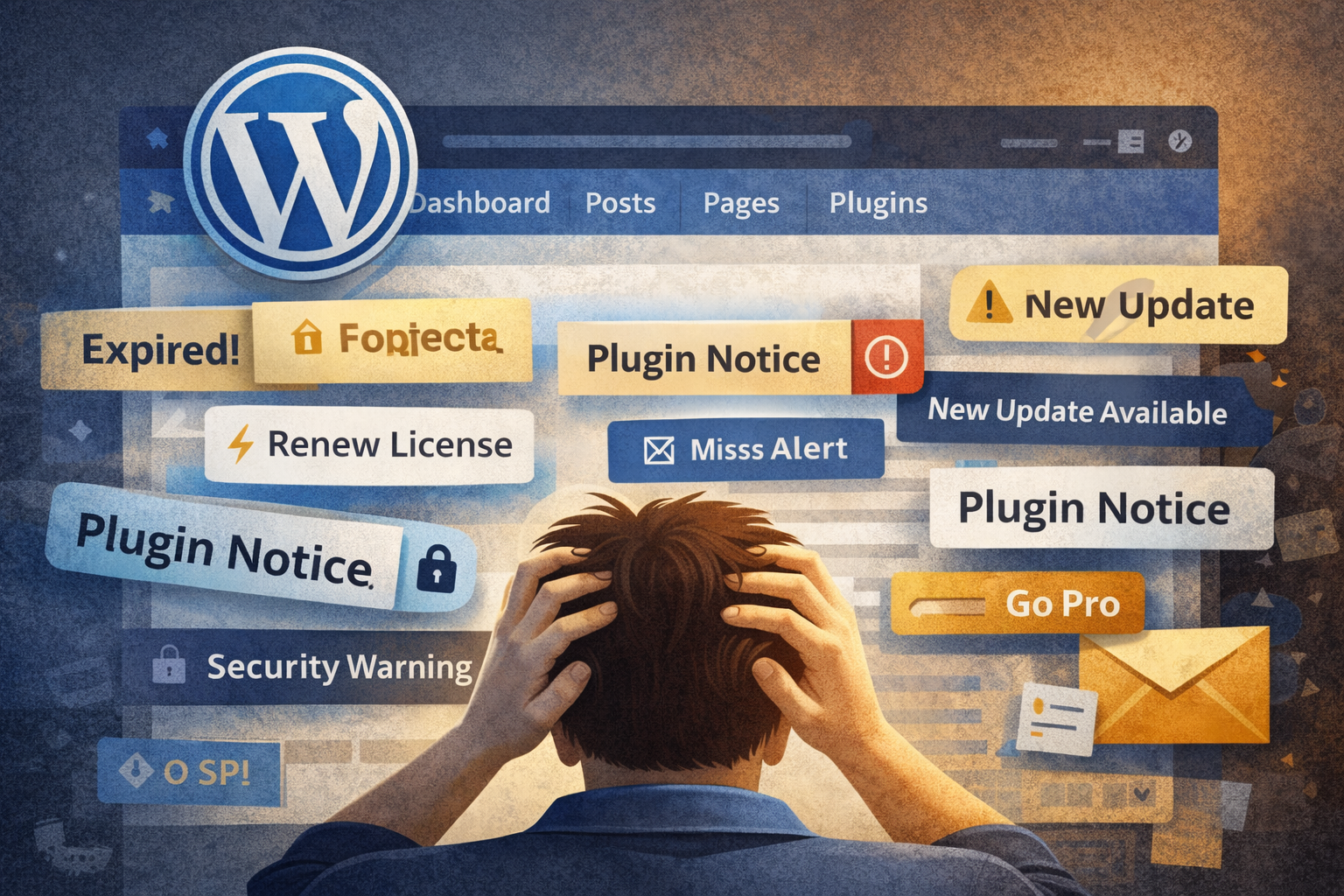
Plugins are one of WordPress’s biggest strengths — and also one of its biggest downsides.
Over time, I found myself relying on plugins for things that felt fundamental:
- SEO
- Performance and caching
- Security
- Image optimisation
- Editing and layout
Many of these plugins now come with annual subscriptions, upsells, or feature restrictions. Keeping everything updated, compatible, and secure became a background task I didn’t particularly enjoy.
Performance needed constant attention
As more plugins and features were added, performance became something I had to actively manage. Caching, optimisation, and image handling all needed tuning — and a small change could easily undo previous improvements.
None of this was unmanageable, but it added friction. I wanted a platform that felt fast by default, without ongoing adjustment.
Why Ghost felt different
Ghost approaches publishing from a very different angle. It’s opinionated in a good way: focused almost entirely on writing, publishing, and distribution.
From the start, it felt lighter and more intentional.
A calmer writing experience
The editor in Ghost is clean, fast, and distraction-free. Writing feels like writing again — not assembling blocks or adjusting layouts.
Markdown support is built in, formatting is predictable, and the interface stays out of the way. That alone made publishing feel easier and more enjoyable.
Fewer moving parts
Many things I previously handled with plugins are built directly into Ghost:
- SEO settings
- Sitemaps
- Performance optimisation
- Newsletter and membership features
There’s less to configure, less to maintain, and fewer opportunities for things to conflict or break.
Speed without constant tweaking
Ghost sites are fast by default. Pages load quickly, themes are lightweight, and there’s no sense that performance depends on adding the “right” combination of plugins.
That simplicity was refreshing.
Cost versus value
On paper, WordPress can look cheaper — especially if you already have hosting. But once you factor in premium themes, paid plugins, and ongoing subscriptions, the cost gap narrows.
With Ghost, the pricing is clearer. You pay for the platform and get a focused publishing experience without assembling it yourself piece by piece.
For me, the time saved and reduced friction made the trade-off worthwhile.
Final thoughts
WordPress is still an excellent platform, and I wouldn’t hesitate to use it again for the right project. But for a personal blog where writing is the priority, it had gradually become more complex than I needed.
Moving to Ghost simplified my workflow, reduced maintenance, and helped me focus on publishing consistently again.
If your site is primarily about writing — rather than building features — Ghost is well worth considering.